Before There Was a "Rescue" Button
Oct 06, 2026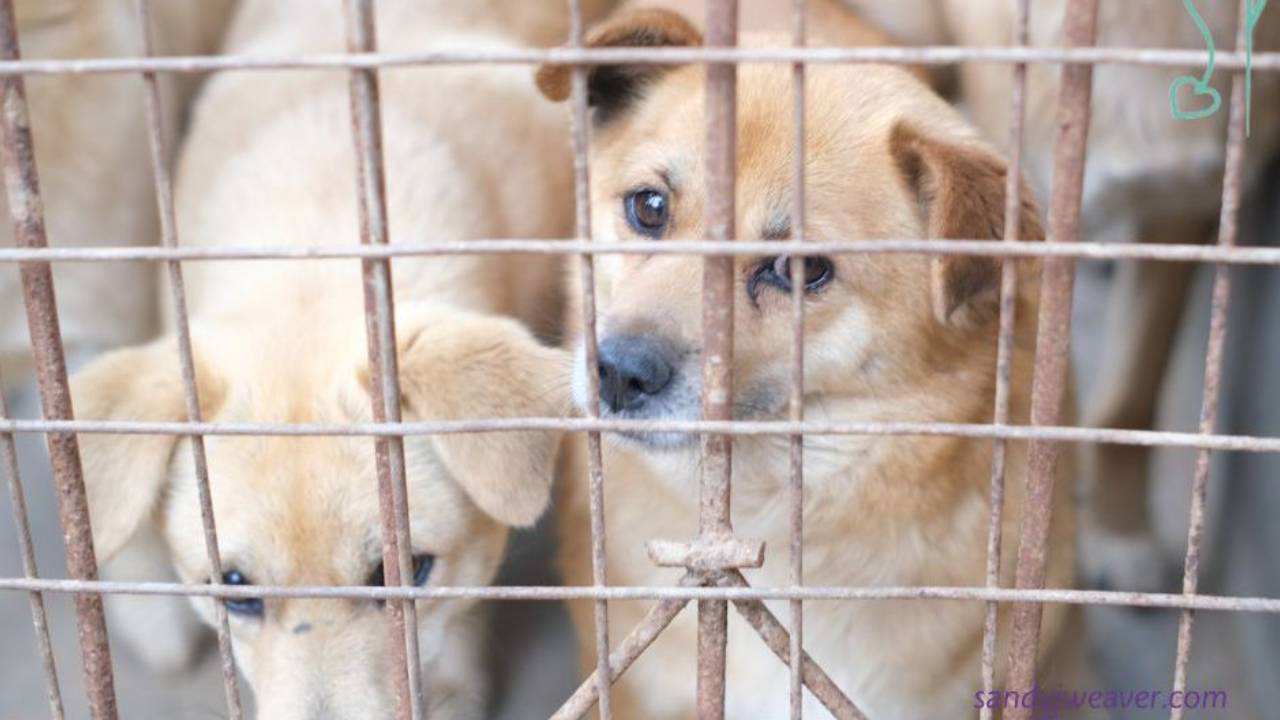
Today, if a purebred dog lands in a shelter, there's a good chance someone will say, “Call breed rescue!” But that network didn't always exist.
America's organized animal-welfare movement dates all the way back to the 1800s. What we now recognize as breed-specific rescue developed much later.
In the 1970’s, attitudes toward companion animals changed dramatically. What once were just yard dogs moved into the home, were given more veterinary attention, and people discovered funny personalities inside those furry suits. Something else began happening: people who deeply loved particular breeds started taking responsibility for dogs of those breeds who landed in the local pound.
Parent club members and other dedicated fanciers began working with shelters, taking dogs into foster homes, evaluating them, caring for them and finding people who understood the breed they were adopting.
Think about how revolutionary that was.
These weren't people who had caused the problem. These were responsible breeders whose contracts required that anything they produced be returned to them if the family couldn’t keep the dog, for whatever reason and at whatever age the dog was. These were responsible fanciers who loved a breed too much to see them languishing in animal shelters or being put down after a few days in the overcrowded dog pound.
They were people who looked at a homeless Golden Retriever, German Shepherd Dog, Collie—or another beloved breed—and thought: “That's one of ours.”
And they did something.
Over the following decades, breed rescue grew into an extraordinary network. Today, rescue involvement is commonplace among AKC Parent Clubs, whether through their own committees, independent affiliated organizations, fundraising, referrals or support for local rescue groups.
There's an important lesson in that history for those of us in the dog-show world: being a steward of a breed doesn't end when we walk out of the ring.
It doesn't end with producing beautiful dogs, earning championships, studying pedigrees or protecting a Breed Standard.
Stewardship means caring what happens to the dogs, too—even the ones we didn't breed.
The early breed-rescue volunteers didn't have sophisticated websites, social-media fundraisers or nationwide databases. They had telephones. Cars. Spare crates. Extra space in their homes.
And a conviction: If one of our breed needs help, somebody ought to help. They decided that “somebody” could be them.
October is Adopt a Dog month. This month do at least one small thing to help your breed’s rescue groups. Donate a crate. Donate some money. Donate some time to evaluate, groom, or train a dog in rescue. There are many ways to support your local breed rescue, or the parent club rescue efforts.
Wagalicious Wisdom
You don't truly love a breed only when it's standing in the breed ring. You love it when it's sitting frightened in the shelter, too.